

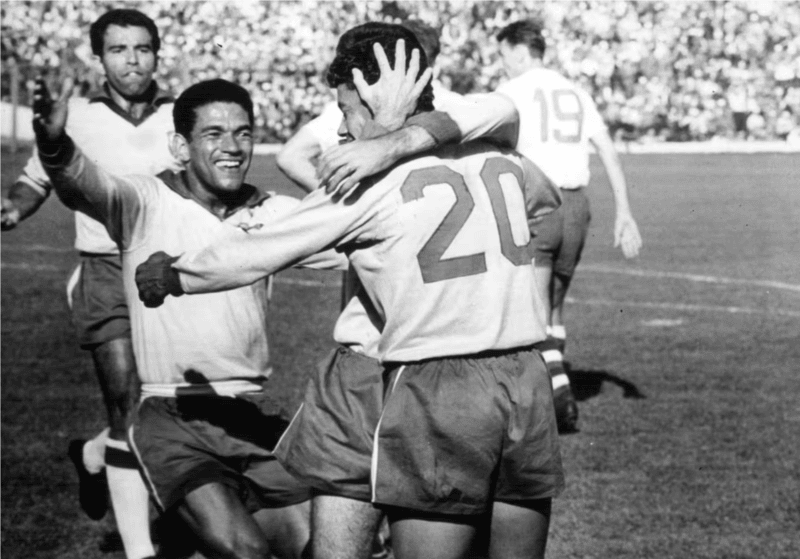
For Chile, hosting the 1962 FIFA World Cup was even harder than most people could have imagined.
Chile won the right to host the tournament in 1956. This gave the country just six years to get ready for one of the world’s biggest sporting events. However, the road to the opening match was far from easy.
The country faced money problems, poor infrastructure, a major earthquake, and the loss of two key figures behind the event. At one point, the future of the tournament was even in doubt.
Yet Chile refused to give up. Against the odds, the country hosted a successful World Cup and gave football fans a tournament to remember. Today, fans can also enjoy football-related entertainment, including casino games through 1xBet.
A Country With Limited Resources
One of Chile’s biggest problems was a lack of money and modern facilities. In the late 1950s, the country did not have enough large stadiums, hotels, roads, or training grounds for a global sporting event.
Hosting the World Cup meant more than getting football grounds ready. Thousands of players, officials, journalists, and fans would travel to Chile. The country needed to make sure they could find places to stay and enjoy the matches.
Building new stadiums and fixing old ones required a large amount of money. Better roads and other public services also needed work. For a country with limited funds, these plans were hard to carry out.
The organizing team had to make careful choices. They needed to focus on the most important work while keeping costs under control. Every delay or lack of funds could affect the tournament.
The Great Chilean Earthquake of 1960
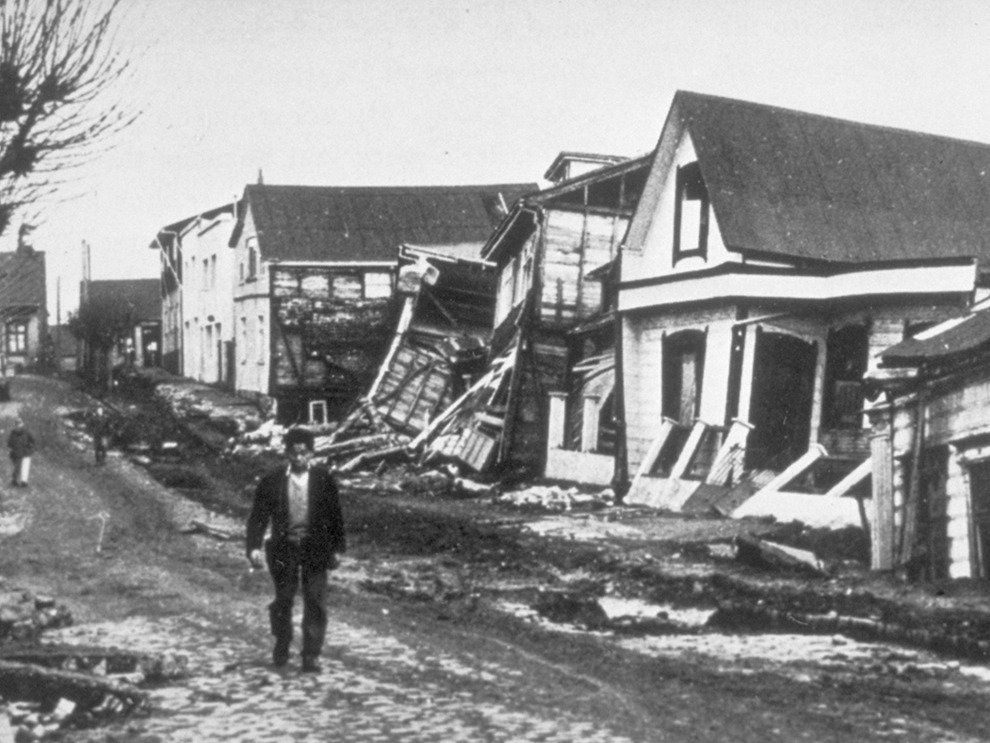
Image Source: National Geographic
Just when Chile was trying to get its plans on track, disaster struck.
On May 22, 1960, the Great Chilean Earthquake hit the country. It reached a magnitude of 9.5, making it the strongest earthquake ever recorded. The disaster caused huge damage, mainly in southern Chile.
Buildings fell, roads broke apart, and many towns suffered severe damage. Thousands of people lost their homes, while many others lost their lives. The country faced a major task of helping those in need and rebuilding damaged areas.
This disaster changed the country’s plans for the World Cup. The government had to focus on helping people and repairing damaged towns. Money that could have gone toward the tournament now had other urgent uses.
The earthquake also raised serious doubts about Chile’s ability to host the event. Some people wondered whether the country should give up its place as host.
But Chile’s leaders chose to keep going. President Jorge Alessandri and the World Cup organizing team stood by the plan. They knew the task would be hard, but they believed Chile could still host the event.
Reducing the Number of Host Cities
The earthquake forced the organizers to rethink their plans. The first plan called for matches in eight cities across Chile. After the disaster, that plan became too costly and hard to manage.
The final choice was to hold the tournament in just four cities: Santiago, Viña del Mar, Arica, and Rancagua.
This change helped the organizers focus their money and effort. They could put more work into fewer venues instead of trying to prepare the whole country.
Still, this was no easy task. Each city needed ready stadiums, good roads, places for teams to stay, and other key services. Local leaders and private firms played an important role in making these plans work.
Their help showed how much teamwork mattered. The World Cup was no longer just a sports event. It had become a shared goal for a country facing a hard time.
The Loss of Two Key Organizers
Chile also faced two sad losses during its World Cup plans.
Juan Pinto Durán was one of the key people behind Chile’s bid to host the tournament. He helped lead the effort that won the country the right to stage the event in 1956.
Sadly, he died in 1957, just one year after Chile won the bid. His death was a major loss for the team that had to plan the event.
The next loss came even closer to the start of the tournament. Carlos Dittborn, the head of the World Cup organizing committee, died on April 28, 1962. He passed away from acute pancreatitis, just 32 days before the first match.
His death came at a very hard time. The team had already dealt with years of money problems and the effects of the earthquake. Losing such an important leader added even more pressure.
Yet the rest of the team kept working. They carried on with the plans and made sure the tournament could begin on time. Their work helped keep the dream alive.
How Chile Managed to Host the World Cup
Despite all these setbacks, Chile managed to host the 1962 FIFA World Cup from May 30 to June 17.
The four host cities welcomed teams and fans from around the world. The event went ahead after years of hard work, major changes, and strong support from local groups.
The tournament also gave Chile a chance to show its strength and spirit. The country had faced one of the worst natural disasters in modern history, yet it still managed to host a major global event.
On the pitch, Brazil won the title after beating Czechoslovakia 3–1 in the final. The win gave Brazil its second World Cup title in a row.
For Chile, the tournament had a special meaning beyond football. The national team also made history by reaching third place, its best World Cup finish to date. This gave local fans another reason to feel proud.
The Bottom Line
The 1962 FIFA World Cup was far more than a football tournament for Chile. It was a test of the country’s strength, teamwork, and will to move forward during a very hard time.
From a lack of money and poor facilities to the Great Chilean Earthquake, the country faced one setback after another. The loss of Juan Pinto Durán and Carlos Dittborn made things even harder.
Yet Chile did not walk away from its goal. With help from local leaders, private groups, and the people behind the event, the country found a way to make the tournament happen.
The story of the 1962 World Cup remains a strong example of what people can do when they work toward a shared goal. Chile faced huge odds, but it still welcomed the world and made football history.
It was a proud moment for an entire nation.
Feature Image Source: FIFA