

Online entertainment has changed a lot in the last ten years. In the past, you needed cable TV or a trip to the video store. Now you can stream almost anything from your phone, laptop, or smart TV.
Even so, many people still search for free sites like PrimeWire. They want more content without paying for many subscriptions.
This guide explains what PrimeWire is, why so many people search for it, the real risks of unofficial streaming sites, how VPNs work, and safer ways to watch movies and shows.
What Is PrimeWire?
PrimeWire is one of the oldest “linking” sites for movies and TV shows. Over the years, it has used different names, including 1Channel and LetMeWatchThis. It has also changed domains many times to stay online after legal problems.
Unlike Netflix or Disney+, PrimeWire does not own the rights to the movies and shows it lists. Instead, it works like a directory. It collects links that point to video files stored on other websites. PrimeWire itself does not host the videos. It simply gathers links from users or other sources.
This is one reason the site has survived so long. Because PrimeWire does not host the files directly, copyright owners have to chase many different hosting sites instead of shutting down one server.
But this also makes the site unpredictable. Domains disappear without warning. New copies appear under different names. The site you find today may not work the same way next month.
Why Do People Search for PrimeWire?
The reasons are usually simple:
- Cost: Streaming prices have gone up, and one subscription no longer covers everything.
- Regional limits: A show may be available in one country but blocked in another.
- Missing content: Older movies and shows often disappear from official platforms with no legal way to watch them.
- Too many subscriptions: Managing many logins and rising prices makes some people look for a simpler option.
These reasons make sense. But they do not remove the real risks that come with unofficial streaming sites.
Is PrimeWire Safe to Use?
This is the most important question. The honest answer is: not reliably safe. Sites like PrimeWire do not follow the same safety rules as licensed platforms. There is no security team checking for harmful software.
There is no responsibility for the outside sites the links send you to. A safe-looking site today could become unsafe tomorrow.
Harmful Ads and Fake Buttons
Free streaming sites usually make money through ads. Because trusted ad networks avoid sites with copyright problems, these sites often use lower-quality ad networks instead. This can lead to:
- Harmful ads that run bad code as soon as the page loads, sometimes without any click at all.
- Fake “Download” or “Play” buttons that look like the real video player but actually start a software download or send you to another site.
- Pop-up chains, where clicking anywhere on the page, even to close an ad, opens more tabs. Some of these lead to scam pages or fake update messages.
You can check if a link is unsafe using Google Safe Browsing. It keeps an updated list of harmful sites and lets you check any link for free.
Harmful Software
Some of the most common problems linked to unofficial streaming sites include:
- Browser hijackers that change your homepage or search engine without your permission.
- Adware that fills your screen with pop-ups even after you leave the site.
- Fake video player downloads. This is a very old trick. A message tells you that you need a special plugin to watch the video, but it installs harmful software instead.
- Hidden mining scripts that use your device’s power to mine cryptocurrency while you watch.
These are not rare cases. Security researchers have reported these problems many times. Free streaming sites remain one of the more common ways people accidentally download harmful software.
Privacy Risks
Beyond harmful software, there is another risk: your personal data. Many free sites use tracking tools to build advertising profiles. This can include:
- Tracking your IP address and rough location.
- Recording your browsing activity using cookies or other tracking methods.
- Sharing your data with ad companies that may have unclear or weak privacy rules.
Copyright and Legal Considerations
Copyright laws are different in every country. This affects how sites like PrimeWire are treated legally.
- In many countries, running a site like PrimeWire is clearly illegal. Site owners have faced lawsuits, fines, and even criminal charges.
- Using the site as a viewer is less clear in some regions. It is not always treated as a crime, but it can still lead to warnings from your internet provider or, in some countries, fines.
- A few countries watch internet traffic closely and can penalize individual users.
Because the rules vary so much, it helps to understand your local laws before assuming something is safe to do. The World Intellectual Property Organization (WIPO) offers useful and neutral information about how copyright protection works around the world.
It also helps to remember that subscription fees from legal platforms support the people who make movies and shows. This includes writers, actors, and crew members. Watching content through unofficial sites skips this system completely.
How Does a VPN Actually Protect You?
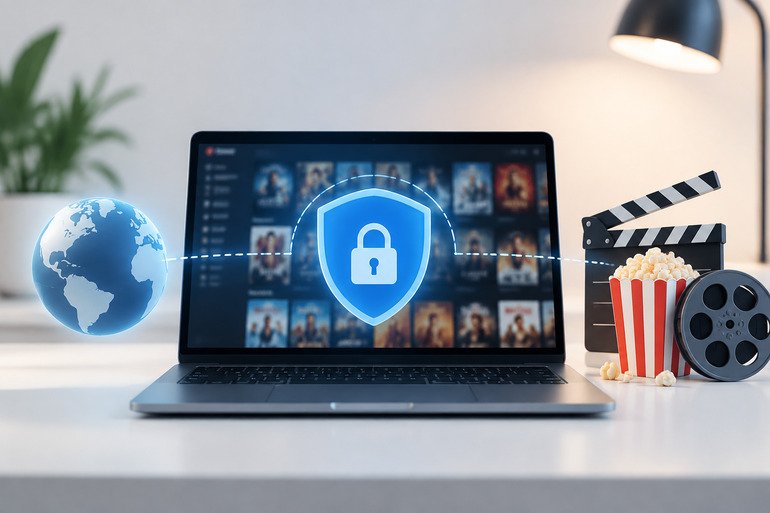
A VPN, or Virtual Private Network, sends your internet traffic through a private, encrypted tunnel to a server run by the VPN company. This does two main things:
- It encrypts your traffic:
This makes it harder for your internet provider or anyone on the same network to see what sites you visit.
- It hides your IP address:
Websites see the VPN’s address instead of yours, which makes it harder to track your real location. According to the Internet Engineering Task Force (IETF), encryption is a key part of keeping data safe as it moves across the internet.
It is also important to understand what a VPN does not do:
- It does not make unauthorized content legal:
A VPN hides how you connect, not what you are accessing. The legal status of the content stays the same.
- It does not guarantee full anonymity:
Some VPN providers still keep activity logs unless they have a clear, tested no-logs policy.
- It does not protect you from harmful software:
Encrypting your connection will not stop you from downloading a harmful file or clicking a fake button.
Best PrimeWire Alternatives
If you’re looking for alternatives to PrimeWire, several streaming platforms offer a more reliable way to watch movies and TV shows. Based on your location, some services provide free, ad-supported content, while others require a subscription or rental fee.
Here are five platforms worth considering:
- Netflix: A subscription service with a broad selection of movies, TV shows, and original productions.
- Amazon Prime Video: Offers movies, series, original content, and rental options in supported regions.
- Tubi: A free, ad-supported streaming service with a library of movies and TV shows in supported countries.
- Pluto TV: Offers free, ad-supported live TV channels and on-demand entertainment where available.
- The Roku Channel: Provides free, ad-supported movies and TV shows in supported markets.
Availability, pricing, and content libraries vary by country, so check each platform’s official website to see what’s available in your region.
Want more options? Explore our complete guide to the 21 best PrimeWire alternatives, including free and paid streaming platforms, their key features, and what to consider before choosing one.
The Bottom Line
PrimeWire’s popularity shows a real gap in the streaming market. People want easy and affordable access to content, and today’s subscription system does not always meet that need.
Still, the risks of unofficial streaming sites are real. These include harmful software and possible legal issues depending on where you live.
A VPN can improve your privacy and security online, especially on public Wi-Fi or when you want less tracking. But it is a privacy tool, not a shield against the risks of unlicensed content. It also does not change what is illegal in your country.
The safest approach is simple. Use a trusted VPN for real privacy protection. Choose legal, ad-supported platforms for your content.
Practice good online habits, such as updating your software, using strong passwords, and staying cautious around “free” download prompts.