

The Cuban government is found to have been filtering mobile phone text messages for key words such as “democracy” and “human rights” and then blocking them, according to an investigative report by Cuban blogger Yoani Sanchez and Cuban journalist Reinaldo Escobar. They discovered that text messages failed to reach their destinations if they contained Spanish words for democracy, human rights or hunger strike, among others, as well as the names of some dissidents.
Eliecer Avila, head of opposition youth group Somos Mas, which participated in the investigation, said 30 key words that triggered the blocking had been identified but there could be more.
Empresa de Telecomunicaciones de Cuba S.A., or Telecommunications Company of Cuba (ETECSA) in English, a government owned full telecommunications service provider for Cuba, has not responded to the matter.
The incident raises concerns over Cuba’s communist government’s management over the Internet and how it resembles China, “Cuba’s good old friend.” This is especially worrying as China leads in helping to build Cuba’s Internet framework, in part because Cuba’s existing, planned system is already outdated.
Cuba announced in January 2016 that it was launching a pilot project to provide broadband home Internet access in Old Havana. Residents there, as well as cafes, bars and restaurants, will be able to order service through fiber-optic connections operated with Chinese telecom operator Huawei Technology Co. Ltd.. Huawei equipment was also used in the installation last year of dozens of Wi-Fi hot spots across Cuba.
“If this is a national-security issue, I want to do business with my ideological partners or allies, not with what I see now as the enemy or the Trojan horse,” said Ted Henken, a professor at Baruch College, City University of New York, who has studied social media and the Internet in Cuba.
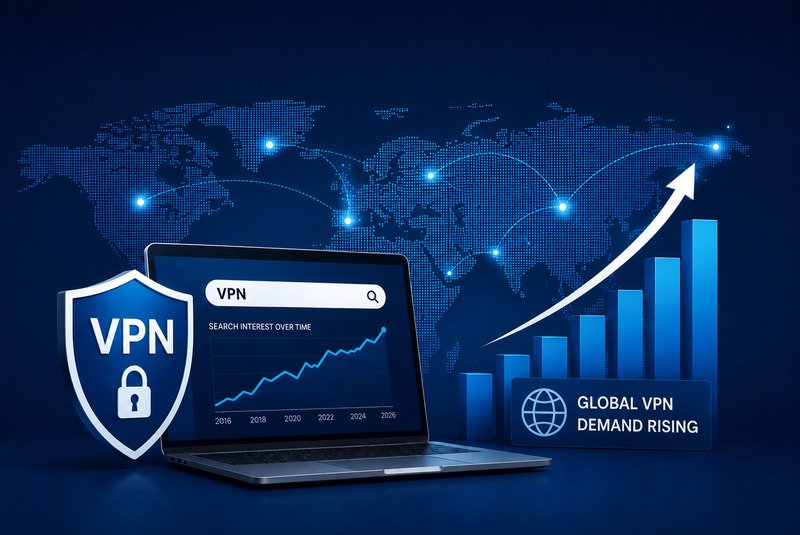
If you’re in Cuba and having issues with censorship, why not check out our pick of best VPNs for Cuba.