


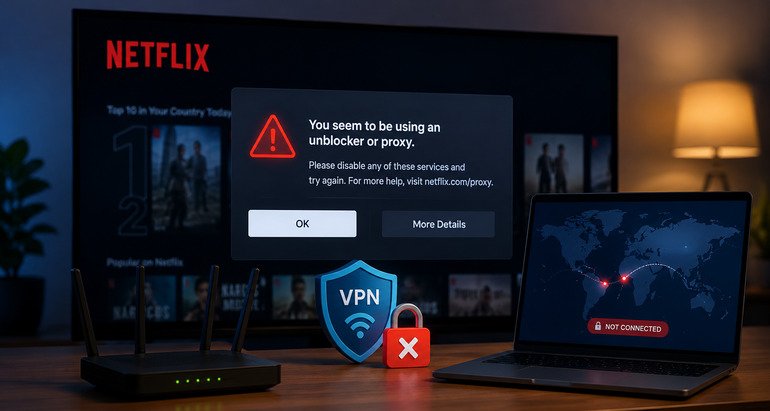
Users across support forums and VPN communities have recently reported more frequent proxy detection messages, location errors, and streaming interruptions, even when using premium VPN services that previously worked reliably on Netflix.
Licensing Enforcement Remains the Primary Driver
The growing number of reported errors aligns with Netflix’s long-standing policy of restricting access through VPNs and other location-masking tools. According to the Netflix Help Center, the platform may prevent streaming when it detects the use of a VPN, proxy, or unblocker service.
The company has consistently argued that such measures are necessary to comply with content licensing agreements, which often vary significantly between countries. Industry analysts note that streaming platforms have become increasingly sophisticated in detecting VPN traffic.
Modern detection techniques can include IP reputation analysis, identification of datacenter-owned IP addresses, DNS leak detection, and traffic-pattern analysis. Security researchers and network infrastructure providers such as Cloudflare have documented how online services can distinguish between residential internet traffic and VPN-originated connections.
Increasing Pressure on VPN Infrastructure
The latest reports highlight the ongoing technological battle between streaming services and VPN providers. As Netflix expands detection capabilities, VPN companies are forced to rotate IP addresses, deploy new infrastructure, and develop additional techniques to avoid identification.
Technology publications, including TorrentFreak, have extensively documented this continuing cycle of blocking and circumvention within the streaming industry. The issue also extends beyond entertainment.
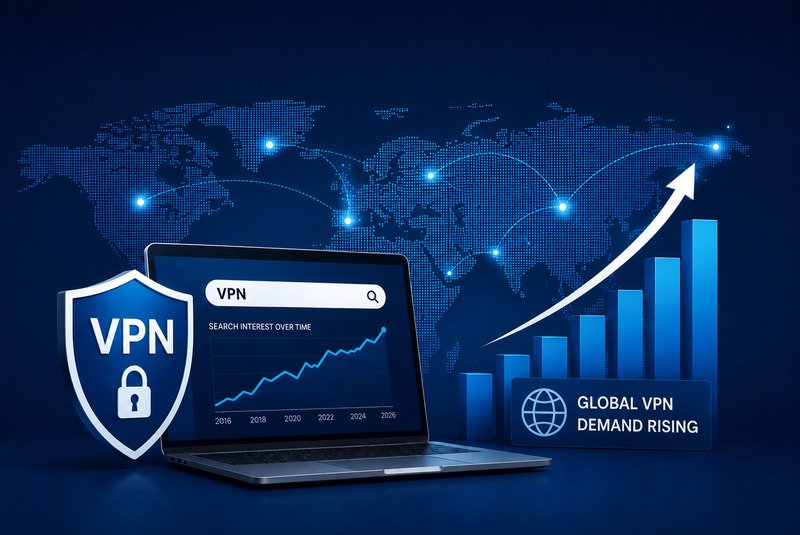
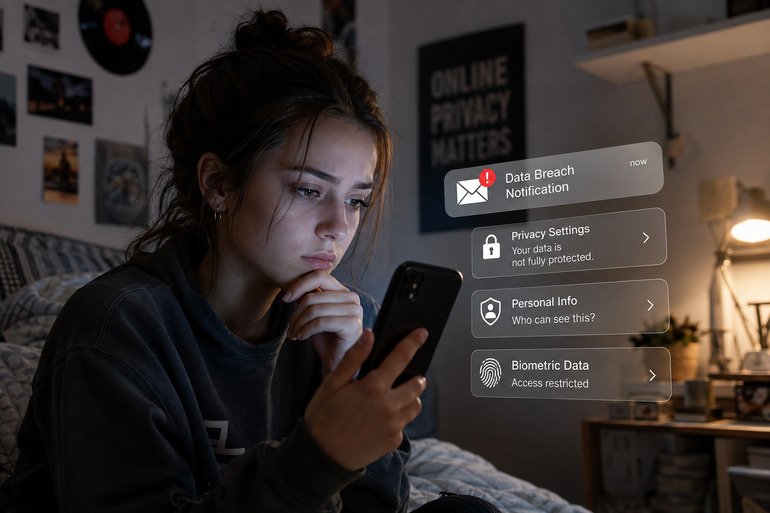
Recent academic research suggests that many users adopt VPNs primarily for privacy, security, and protection against online tracking rather than simply accessing region-restricted content. A recent study examining VPN adoption trends found that concerns over surveillance, data collection, and digital privacy remain major drivers of VPN usage worldwide.
What This Means
While Netflix maintains that VPN restrictions are required to honor international licensing obligations, the increasing volume of VPN-related error reports underscores a broader debate about privacy technologies and platform control.
As streaming companies invest further in network intelligence and detection systems, VPN providers may face growing challenges in maintaining accessibility. The situation reflects a wider industry trend in which content enforcement, user privacy, and internet openness continue to collide.